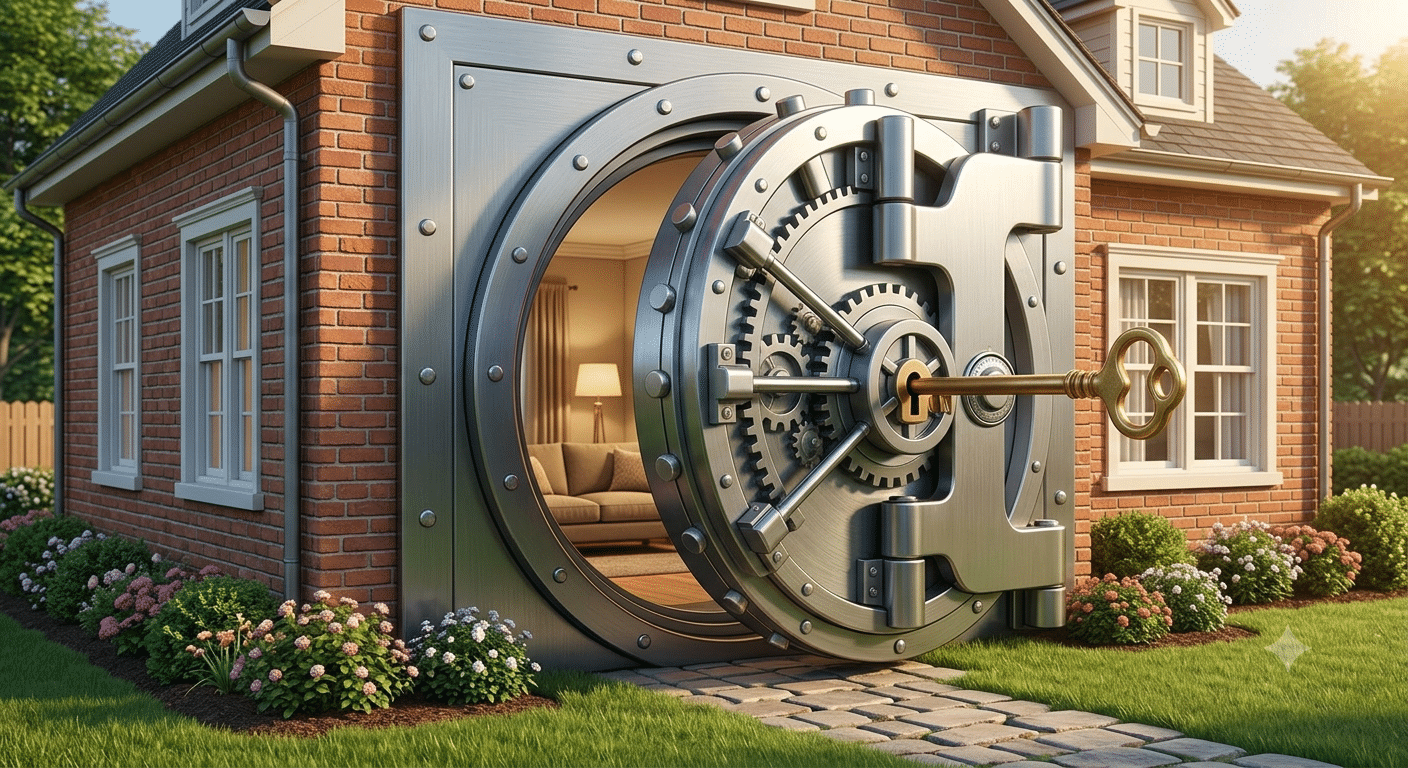
Imagine spending thousands of dollars to install a massive steel vault door on your home. You add reinforced hinges, complex deadbolts, and an automated surveillance camera. Your house is completely impenetrable to any thief trying to kick down the door.
Now imagine a stranger walks up to your porch, dressed in a high-visibility vest and carrying a clipboard. They knock on the window, look at you with panicked eyes, and say, “There is a gas leak on your block! I need you to unlock the front door immediately so I can shut off your main valve before your home explodes!”
In a flash of panic, you unlock the vault door and hand them the keys.
You were not robbed by a master lockpicker. You were tricked into opening the door yourself. This is the essence of social engineering, and it is quietly becoming the most destructive threat to personal data on the planet today.
The most terrifying aspect of social engineering is that cybercriminals do not need to write a single line of malicious code to ruin your life. They do not need to create computer viruses, build complex ransomware, or discover hidden software bugs. Instead, they exploit the ultimate design flaw in modern technology: human psychology.
For decades, we have been conditioned to believe that digital security is a battle between computers. We assume hackers are shadowy figures staring at green matrix code, typing furiously to break through firewall defenses. But today, attackers realize that breaking through software encryption is hard, while manipulating a human being is terrifyingly easy.
When a fraudster targets you through social engineering, they bypass every antivirus program, every secure browser setting, and every password manager you own. Why bother hacking your computer when they can simply hack your mind?
Consider how these attacks unfold in real time without any malicious software involved:
You receive a frantic phone call from someone claiming to be a fraud prevention officer at your bank. They inform you that a fraudulent transfer of three thousand dollars is currently draining your checking account. To stop the transfer immediately, they tell you that a one-time verification code has just been sent to your phone, and you must read it back to them right now.
In reality, the criminal is sitting on your bank’s real, legitimate login page. They entered your phone number, clicked “forgot password,” and triggered a genuine security code from your bank. When you read that code out loud in a state of sheer panic, you hand them the master key to your savings account. No virus was installed. No system was hacked. You simply followed a convincing story.
Social engineering is broadly defined as a psychological manipulation tactic used by threat actors to trick individuals into performing security-sensitive actions or divulging confidential information. Unlike traditional cyberattacks that focus on exploiting technical flaws in software or hardware, social engineering targets the natural human tendencies toward trust, authority, helpfulness, and panic. At its core, it is the practice of hacking people rather than systems, relying on deception and persuasion to bypass security protocols without needing to force through digital defenses.
Here’s how to protect yourself from social engineering
Attackers rely on a well-crafted set of psychological triggers to pull off these deceptions:
Fear and Urgency: By convincing you that an immediate disaster is occurring—such as an expiring bank account, a missed tax payment, or a compromised social media profile—they force your brain into survival mode. When you panic, your rational thinking shuts down, and you bypass your normal habit of questioning unusual requests.
Authority: Humans are naturally wired to respect figures of power. Fraudsters regularly impersonate police officers, government agents, tech support managers, or bank managers. They count on the fact that most people hesitate to challenge someone speaking with absolute authority.
Helpfulness and Courtesy: Criminals also manipulate our best qualities. They pose as a friendly tech support agent trying to clean up your account, or a lost delivery driver needing you to confirm an address. By exploiting your natural desire to be polite and helpful, they convince you to reveal security answers or confirm sensitive identity details.
With the rapid rise of real-time communication tools and artificial intelligence, social engineering attacks have become astonishingly personalized. Attackers gather personal details from your public social media profiles—where you live, where you work, what coffee shop you visit, or what bank you use—to build a story so believable that it feels entirely authentic.
So, how do you protect yourself from social engineering? When even traditional antivirus software cannot save you from a convincing lie?
The first step is shifting your mindset. You must accept that your personal security is not just the job of your phone software or your internet provider; it is an active daily habit.
Implement a strict pause rule: The moment any email, text message, or phone call creates a sudden sense of emergency, stop immediately. Legitimate organizations, banks, and government agencies will never demand that you make an instant financial decision or share a security code over the phone under pressure. Urgency is almost always the signature of a scam.
Verify through independent channels: If your bank calls you about fraud, hang up immediately. Do not use the phone number the caller gives you, and do not call back the number displayed on your caller ID, as phone numbers can easily be spoofed. Instead, turn over your debit card, find the customer service number printed on the back, and call that number directly.
Treat verification codes like cash: Never read a one-time password or multi-factor authentication code out loud to anyone over the phone, and never type it into a link sent via text message. Companies do not call you to ask for the security codes they just texted to your phone. If someone asks for that code, they are actively attempting to enter your account.
Establish a family safety word: Because voice-cloning technology can now imitate the voices of loved ones using short audio clips from social media, set up a secret code word with your family members. If you ever receive a frantic call claiming a family member is in trouble and needs money wired instantly, ask for the safety word before taking any action.
In an age where technology guards the front door with heavy iron locks, remember that you are the one holding the keys. Cybercriminals have stopped trying to break the locks; they are waiting for you to hand the keys over out of fear, trust, or confusion. By slowing down, questioning unexpected pressure, and verifying every urgent request, you make your personal data truly unreachable.
Leave a Reply