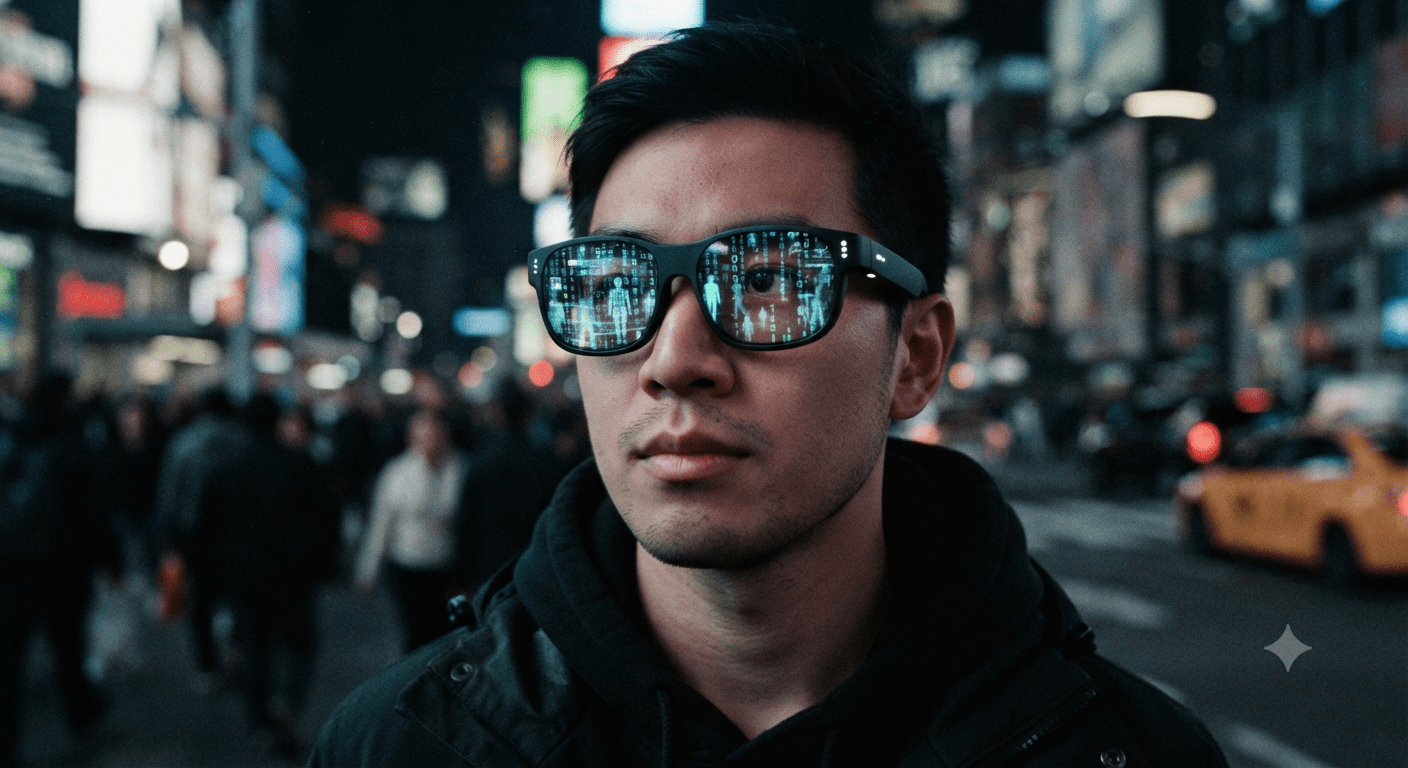
Remember the days when a creep with a camera had to awkwardly pull out a phone and make it obvious they were filming you? Yeah, those days are officially dead. Welcome to the terrifying era of AI smart glasses, where smart glasses privacy risks have turned everyday life into a surveillance nightmare, allowing anyone walking past you to secretly livestream your face, record your private conversations, or capture you in your most vulnerable moments while looking like they are just staring blankly into space.
It is no secret that gadgets like Meta’s Ray-Ban smart glasses have exploded in popularity. But with that surge in sales comes a horrifying wave of “non-consensual surveillance”. This post is all about understanding smart glasses privacy risks.
People are being secretly filmed in public squares, at protests, and even inside private spaces, only to find themselves turned into viral memes or harassment targets online. Things have gotten so dystopian that investigators revealed overseas contract workers were accidentally exposed to deeply intimate and personal footage captured by users who probably did not even realize their glasses were recording.
When everyday eyewear doubles as a stealth spy camera, public space stops feeling public and starts feeling like a 24-hour reality show you never signed up for.
So, how did we get here, and more importantly, how do we stop this privacy nightmare before we lose what is left of our personal autonomy? Let’s understand smart glasses privacy risks.
First off, tech giants need to face some serious heat. Companies pushing these wearable cameras cannot just slap a tiny, easily missed flashing LED light on the frame and call it a day. That tiny indicator light has already proven to be a joke, with users easily taping over or hacking the hardware to keep recording in secret. Manufacturers need to be legally forced to build hardware failsafes that physically disable the camera if any obstruction or tampering is detected, alongside a loud, undeniable shutter sound that actually carries across a crowded room. Platforms hosting this toxic content also need to step up by automatically banning creators who use smart glasses to harass or film strangers without permission.
Here’s How You Can Protect Yourself From Being Secretly Recorded
Protecting yourself against wearable tech feels a bit like fighting a wildfire with a garden hose, but you are not totally defenseless. Here are some ways you can handle this growing privacy threat:
- Keep your eyes peeled for people wearing suspicious frames with thick arms, especially if they seem to be staring directly at you for too long.
- If you suspect you are being recorded or harassed by someone using smart glasses, call it out explicitly on camera if it is safe to do so.
- Public shaming works, and shifting the social friction back onto the person invading your privacy can make them think twice before pulling a stunt like that again.
- Push for stricter local regulations and public bans on smart glasses in sensitive areas, ensuring that spaces like schools, public restrooms, medical facilities, and protest zones become entirely glass free.
We cannot stop the rise of cybercrime, and we certainly cannot force every organization to upgrade their systems overnight. However, by changing how we handle our own data, we can move from being easy targets to being difficult, resilient individuals who are much harder to compromise. Keep your guard up, stay informed, and treat your personal data with the same care you would treat your physical wallet.
How To Spot Smart Glasses
Recognizing smart glasses can be tricky because manufacturers design them to look like ordinary fashion eyewear. However, several physical, behavioral, and technological clues can help you spot them:
- Unusually Thick Frame Arms: Because these glasses must house tiny batteries, microprocessors, and circuit boards, the arms (temples) near the hinges are often noticeably thicker or bulkier than those on standard spectacles.
- Discreet Camera Lenses and Pinhole Openings: Look closely at the top outer corners of the frame or the bridge over the nose. You might spot a tiny, dark pinhole lens or a subtle glass shimmer that does not belong on a normal pair of glasses.
- The Recording Indicator Light: Models like Meta smart glasses feature a small LED light on the front corner that is supposed to illuminate when recording or taking a photo. If you see a tiny light blinking or glowing while someone looks at you, they are actively capturing media. (Keep in mind that privacy advocates warn this light can sometimes be illegally taped over or modified).
- The Glance and Gesture Habit: Watch for physical interaction patterns. Wearers often repeatedly tap or swipe the side of their temple arms to answer calls, skip tracks, or snap photos.
- Unnatural Head Movements: If someone is recording video, they may turn their entire head slowly to keep you centered in their field of view rather than just moving their eyes, because the built-in camera points straight ahead with their frame.
- Muffled Audio or Chimes: Pay attention to strange sounds. You might hear a faint electronic chime, a digital chirp, or muffled audio leaking from the tiny open-ear speakers embedded in the frame arms.
Can You File a Police Complaint?
Yes, a police case or formal complaint can be filed, but whether the police can take immediate action depends heavily on context, location, and how the footage is handled.
If someone refuses to stop recording you with smart glasses after you ask them to, filing a police report becomes a viable option under specific circumstances:
- Harassment and Intimidation: If the person is repeatedly filming you, following you, or using the recording to intimidate or stalk you after you have explicitly told them to stop, it crosses the line from annoying behavior into criminal harassment.
- Publishing or Weaponizing the Footage: If the recording is shared online without your consent—especially if it is used to mock, harass, or create viral content targeting you—it violates privacy and cybercrime laws, giving you solid grounds to file a complaint with the cyber cell.
- Restricted Locations: If the recording takes place in a zone where filming is strictly prohibited by law or private rules (such as certain religious sites, private offices, schools, or healthcare facilities), refusing to stop makes the act an explicit violation, allowing security or police to intervene.
However, if you are simply walking down a public street, many jurisdictions traditionally view casual public recording as legal, which can make the police hesitant to act immediately unless the behavior escalates into targeted harassment, stalking, or non-consensual distribution. If someone refuses to stop recording you, document the incident, preserve any evidence if it gets uploaded online, and report it to local cybercrime authorities.
Were you ever secretly filmed by such smart glasses? How did you know? And, what was your response? Write in the ‘Comments’ section.